


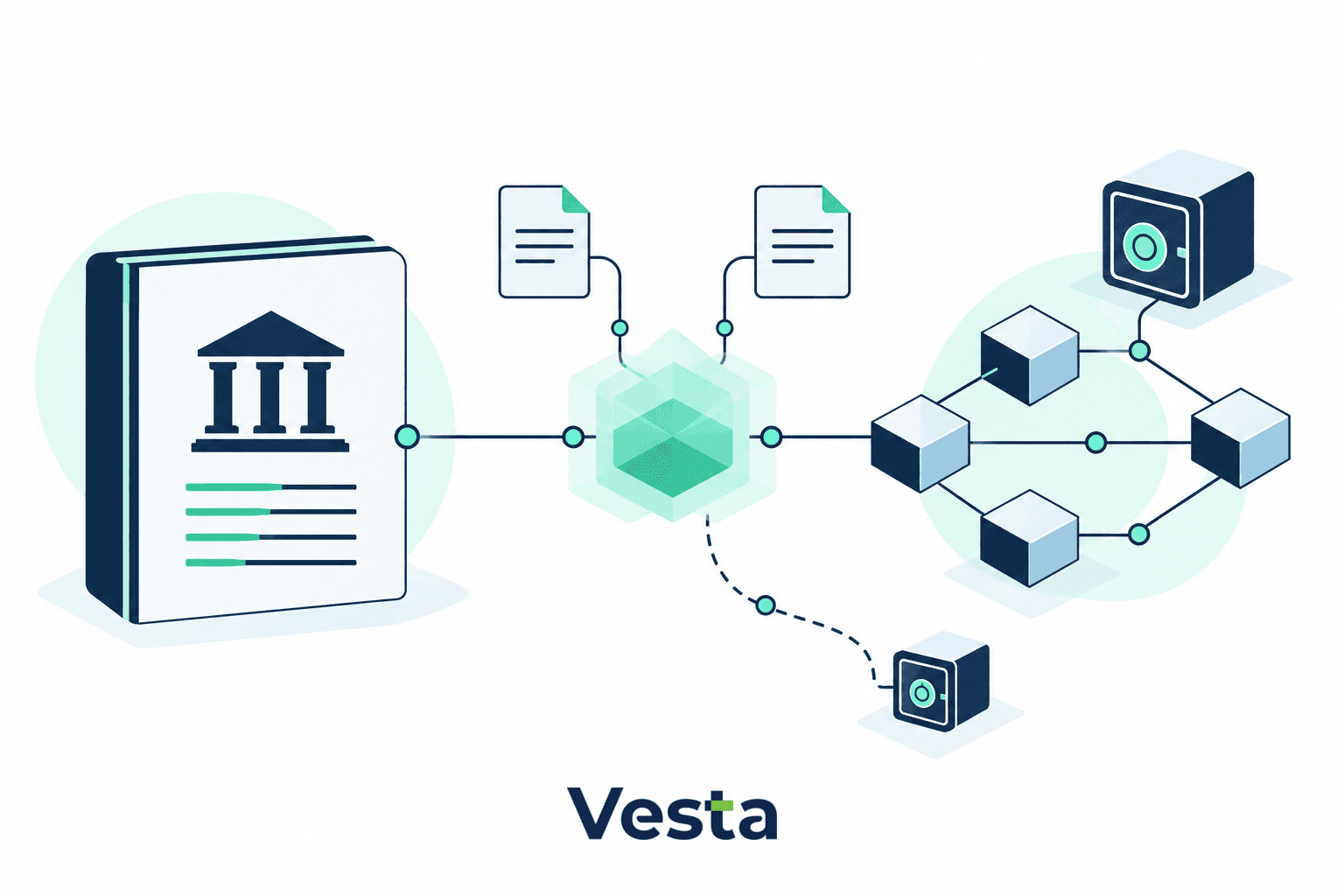
The Bank of England’s ‘Promise to Pay’ and planning tokenised settlement
The Bank of England’s 17 Sep 2026 note on what backs banknotes reframes central‑bank money as a settlement priority. Here’s how issuers should think about settlement assets, custody and operational design for tokenised instruments.
Key facts from the Bank of England note
- The Bank of England published “The promise to pay: what backs banknotes?” on 17 September 2026, framing confidence in banknotes and central‑bank money as foundational to the economy and outlining a long‑term framework for backing banknotes in light of recent monetary policy choices ([The promise to pay: what backs banknotes? | Bank of England](https://www.bankofengland.co.uk/bank-insights/2026/the-promise-to-pay-what-backs-banknotes)).
- The publication discusses central‑bank money’s role as a safe settlement asset and highlights how innovations—including tokenisation and digital money—interact with monetary and payments frameworks.
- The Bank signals operational and policy priorities that could affect issuer decisions about settlement assets (for example, choosing central‑bank‑redeemable money versus private stablecoins) and what guarantees markets may expect from issuers.
- The note was published in a period of active Bank engagement (including monetary policy decisions), providing near‑term policy context that issuers should consider when designing tokenised‑product settlement and custody models.
What founders and issuers need to consider
H2: Settlement asset choice matters for perceived safety and market acceptance
Central‑bank money is the canonical safe settlement asset because its face value has the backing of the monetary authority. The Bank’s note reinforces the point that market confidence in settlement assets will shape how tokenised securities are used and valued. Issuers designing tokenised instruments should therefore explicitly weigh the trade‑offs between using central‑bank‑redeemable settlement mechanisms and relying on private settlement assets such as stablecoins.
H3: Practical tradeoffs to evaluate
- Finality and legal clarity: Central‑bank settlement typically offers strong legal finality in the domestic jurisdiction; private stablecoins may require contractual assurances and custody arrangements that investors want to see documented.
- Operational dependencies: Using central‑bank settlement (including CBDC if/when available) can reduce counterparty risk but may impose integration, KYC, or infrastructure requirements. Private stablecoins can be faster to integrate but add dependency on issuer solvency and on‑chain liquidity.
- Market expectations: The Bank’s framing suggests market participants and possibly regulators may expect stronger settlement guarantees for institutional tokenised markets versus retail experiments.
H2: Custody and transfer‑agent roles need early design
If tokenised instruments rely on private settlement assets, issuers should document who holds reserve assets, who is the transfer agent for record‑keeping, and what legal remedies exist in the event of counterparty failure. If central‑bank anchors are used, custodial models will differ—sometimes requiring access to central‑bank facilities that only certain licensed entities possess.
H3: Operational recommendations
- Define settlement windows and fallbacks: Specify primary settlement asset and an explicit fallback (for example, a bank‑settled transfer) if the primary on‑chain settlement path becomes impaired.
- Align legal documents: Ensure prospectuses, token terms and custody agreements explicitly state the settlement asset, redemption mechanics and the legal status of token holders’ claims.
- Test integrations: Run end‑to‑end settlement rehearsals with custodians and payment rails, including reconciling on‑chain finality with off‑chain ledger updates.
H2: Engagement with regulators and central banks
The Bank’s publication signals that central‑bank perspectives matter. Issuers should engage early with relevant authorities (central bank, securities regulator, and prudential authorities where relevant) to confirm whether central‑bank anchors are expected for particular product types and to surface any licensing or custody constraints.
H2: What remains uncertain and how to plan for it
Open questions include whether the Bank will publish technical standards or timetables for CBDC use in wholesale settlement, and how UK regulators will coordinate technical or legal expectations for tokenised securities. Given these uncertainties, issuers should design flexible settlement architectures and avoid hard‑coding a single settlement dependency without documented fallbacks and audited custody arrangements.
H2: Short action list for issuers
- Decide a primary settlement asset and an operational fallback; document both.
- Make custody and transfer‑agent contracts explicit about redemption and legal claims.
- Run settlement testing with custodians and payment infrastructure partners.
- Engage with regulators and keep investor disclosures clear on settlement mechanics and guarantees.
The Bank of England’s note reframes settlement as a governance and design decision for token issuers, not just a technical integration task. Issuers who plan for legal clarity, operational fallbacks and transparent investor disclosures will be better positioned whether markets move toward central‑bank anchors, private stablecoins, or hybrid settlement models.